Saint Louis OWCP Pain Clinics: What to Expect

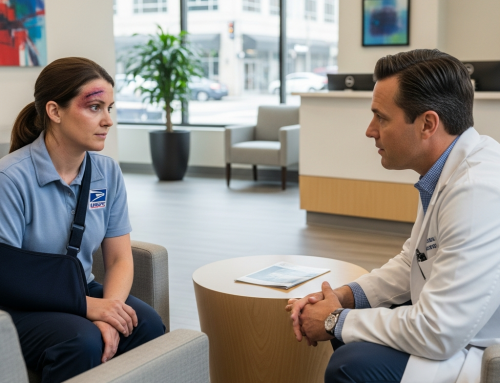
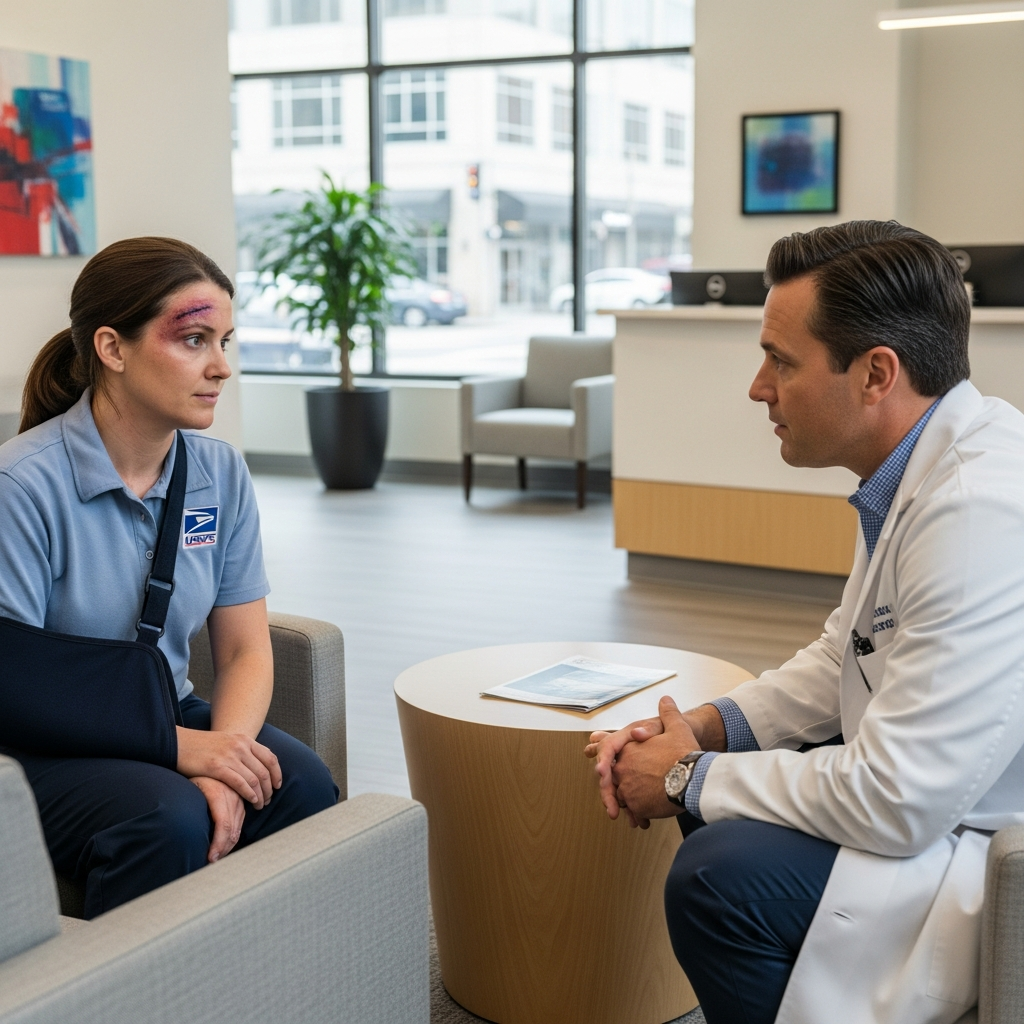
You’re sitting in yet another waiting room, that familiar knot of anxiety tightening in your stomach as you flip through a magazine you’re not really reading. The workplace injury happened six months ago – maybe it was that awkward lift in the warehouse, or the way your back seized up after hours hunched over paperwork, or that moment when your shoulder just… gave out.
Whatever caused it, you’re here now because the pain hasn’t gone away. In fact, some days it feels like it’s gotten worse, despite doing everything your regular doctor suggested. The workers’ compensation maze has been exhausting – forms, approvals, phone calls where you explain your situation for the fifteenth time to someone new. And now? Now you’re being referred to something called an OWCP pain clinic, and honestly, you’re not sure what that even means.
If this sounds familiar, you’re not alone. Thousands of federal employees and workers in Saint Louis find themselves in exactly this position every year. That workplace injury that seemed manageable at first has become this persistent, nagging reminder that something’s not right. You’ve probably wondered if the pain will ever really go away, or if you’ll just have to… live with it.
Here’s what nobody tells you upfront – OWCP pain clinics aren’t just another medical appointment to check off your list. They’re specialized facilities designed specifically for people dealing with work-related injuries that haven’t responded to standard treatment. Think of them as the place where they understand that your back pain isn’t just “back pain” – it’s the difference between being able to do your job effectively or struggling through each day wondering if today’s the day you’ll have to call in sick again.
But walking into a pain clinic for the first time? It can feel overwhelming. What exactly will they do? Are we talking about just throwing more medication at the problem, or is there something more comprehensive happening here? Will they actually listen to what you’re experiencing, or will you get that familiar glazed-over look when you try to explain that the pain moves around, or that some days are definitely worse than others?
You might be wondering about the practical stuff too – like whether your OWCP claim will actually cover the treatments they recommend, or how long this whole process might take. (Because let’s be honest, you’ve probably already used up more sick leave than you’re comfortable with.) Maybe you’re concerned about whether seeking treatment at a pain clinic means your injury is being labeled as “chronic” or “severe” – and what that might mean for your job security.
The truth is, OWCP pain clinics in Saint Louis have evolved significantly over the past few years. They’re not the sterile, impersonal facilities some people imagine. Most of them understand that effective pain management isn’t just about prescriptions – though medication certainly has its place. They’re looking at everything from physical therapy and targeted injections to newer approaches like cognitive behavioral therapy and even some alternative treatments that your regular doctor might not have mentioned.
What makes these clinics different is their specific understanding of workplace injuries and the unique challenges they present. They get that your shoulder injury isn’t just affecting your ability to lift boxes – it’s impacting your sleep, your mood, maybe even your relationships at home. They understand the frustration of feeling like you’re not being believed when you say the pain is real and significant.
In this article, we’re going to walk through exactly what you can expect when you step into an OWCP pain clinic in Saint Louis. We’ll talk about the initial evaluation process (which is more thorough than you might expect), the various treatment options they might suggest, and how to navigate the sometimes-tricky relationship between the clinic, your case worker, and your employer.
You’ll also learn about questions you should ask, red flags to watch for, and how to advocate for yourself throughout the process. Because here’s the thing – this is your health, your pain, and ultimately your life we’re talking about. You deserve to understand what’s happening and to feel confident about the care you’re receiving.
Most importantly, we’ll help you understand that seeking treatment at a pain clinic doesn’t mean you’re “giving up” or that your injury is somehow unfixable. Sometimes it just means you need specialists who deal with these specific issues every day…
What OWCP Actually Means (And Why It Matters)
You’ve probably been handed a stack of paperwork with “OWCP” stamped all over it, wondering if someone just made up an acronym to confuse you further. I get it – when you’re already dealing with pain, the last thing you need is alphabet soup.
OWCP stands for Office of Workers’ Compensation Programs, and honestly? It’s like having a very particular insurance company that only covers you when you get hurt at work. Think of it as your workplace’s way of saying “we’ll take care of you” when things go sideways on the job. Whether you slipped on that wet floor in the break room or developed carpal tunnel from years of typing, OWCP is supposed to have your back.
But here’s where it gets a bit… well, bureaucratic. Unlike your regular health insurance where you can usually see any doctor you want (within reason), OWCP has its own network of approved providers. It’s kind of like being told you can eat at any restaurant you want – as long as it’s on this very specific list they’ve approved.
The Federal Employee Twist
Now, if you’re a federal employee, there’s an extra layer to this whole thing. The Federal Employees’ Compensation Act (FECA) is basically OWCP’s rulebook for federal workers. Think of FECA as the instruction manual that nobody really wants to read but everyone has to follow.
Federal employees actually get pretty comprehensive coverage under this system – which is good news if you’re dealing with chronic pain from a work injury. The not-so-good news? You’ve got to navigate a system that can feel like it was designed by people who really, really love paperwork.
Why Regular Pain Clinics Won’t Cut It
Here’s something that catches a lot of people off guard: you can’t just walk into any old pain management clinic when you’re dealing with an OWCP claim. It’s like trying to use a Target gift card at Walmart – the systems just don’t talk to each other.
OWCP-approved pain clinics have jumped through specific hoops to work within this system. They understand the particular forms (oh, the forms…), the approval processes, and the somewhat unique way that work-related injuries are documented and treated. Your neighborhood pain clinic might be fantastic, but if they’re not in the OWCP network, you’ll be dealing with a whole different kind of headache.
The Pre-Authorization Dance
Let’s talk about something that trips up almost everyone: pre-authorization. In the regular medical world, you might need approval for certain procedures. In the OWCP world? You need approval for… well, pretty much everything beyond basic treatment.
It’s like having to ask permission before ordering dessert – every single time you go to a restaurant. Want an MRI? Gotta ask first. Need a specific type of injection? Better get that approved. Physical therapy for more than a few sessions? You guessed it – more paperwork.
This isn’t the clinic trying to make your life difficult (though I know it can feel that way). It’s just how the system works, and honestly, it can be frustrating for your doctors too. They want to help you, but they’re also working within a framework that has very specific rules.
Understanding Your Coverage Scope
One thing that actually works in your favor with OWCP coverage is that it tends to be pretty comprehensive once you’re in the system. Unlike some insurance plans that nickel and dime you with copays and deductibles, OWCP typically covers your approved treatments fully.
But – and this is important – it only covers treatments related to your work injury. If you’ve got a bad back from lifting boxes at work, great, that’s covered. If you also happen to have knee pain from your weekend warrior basketball games… well, that’s a different story entirely.
It’s like having a very generous gift card that can only be used in one specific department store. The coverage is good, but the scope is limited.
The Documentation Reality
Fair warning: OWCP loves documentation. And I mean *loves* it. Every visit, every treatment, every tiny bit of progress (or lack thereof) needs to be recorded, filed, and probably filed again somewhere else.
Your pain clinic will handle most of this behind the scenes, but you’ll still encounter more forms and follow-up requests than you might expect. Think of it as the price of admission to a system that, while sometimes cumbersome, is designed to provide you with ongoing care without the financial stress that often comes with chronic pain treatment.
What to Bring to Your First Appointment
Here’s something most people don’t think about – bring a notebook. I know, I know, you’re thinking “I’ll remember everything the doctor says.” Trust me, you won’t. Pain has this sneaky way of making your brain foggy, and when you’re sitting in that appointment… well, information overload is real.
Pack your entire medical history – and I mean everything. That random X-ray from 2019? Bring it. The MRI report your family doctor said was “normal”? Definitely bring that too. OWCP doctors are like detectives, and they need all the clues. Don’t make them guess at your story.
Oh, and here’s a pro tip: write down your pain levels at different times of day for at least a week before your visit. “My back hurts” doesn’t give them much to work with, but “sharp, shooting pain down my left leg every morning when I get out of bed, rating about 7 out of 10” – now that’s useful information.
The Paperwork Marathon (And How to Survive It)
Let’s be honest – the paperwork is going to feel endless. You’ll fill out forms about forms about forms. But here’s the thing… this isn’t busy work. Every single page helps build your case with OWCP.
Arrive 30 minutes early for your first appointment. Not 15 minutes – 30. You’re going to need that time. Bring your reading glasses if you use them, because the print is small and there’s a lot of it.
When they ask about your work duties, be specific. Don’t just write “office work.” Break it down: “Lift 40-pound boxes 20-30 times daily, sit at computer for 6-hour stretches, frequent overhead reaching to file cabinets.” The more detail, the better your case.
Understanding the Examination Process
The physical exam might feel different from what you’re used to at your regular doctor’s office. OWCP physicians are trained to look for specific things – they’re not just checking if you’re hurt, they’re determining if your injury is work-related and how it affects your ability to do your job.
They’ll test your range of motion, strength, reflexes… sometimes it feels like they’re putting you through your paces. Don’t try to tough it out or downplay your pain. If something hurts during the exam, speak up immediately. This isn’t the time to be a hero.
Actually, that reminds me – some patients worry that if they show improvement, their benefits might get cut. Here’s the reality: honest reporting helps everyone. If you’re having a good day, say so. If you’re having a terrible day, say that too. The goal is getting you the right treatment, not maintaining a certain level of misery.
Navigating Treatment Recommendations
Here’s where things get interesting – and sometimes frustrating. The doctor might recommend treatments you’ve never heard of, or suggest something you’ve already tried. Don’t dismiss their suggestions immediately, even if you think you’ve “been there, done that.”
OWCP-approved treatments often use different approaches or newer techniques than what you might have experienced before. That physical therapy you did three years ago? The current PT protocols might be completely different now.
Ask questions. Lots of them. “How long before I see results?” “What are the risks?” “Will this interfere with my current medications?” Don’t leave that office with a treatment plan you don’t understand. The receptionist can’t explain medical details later – get your answers while you’re face-to-face with the doctor.
Making the Most of Follow-Up Care
Follow-up appointments are where the real work happens. Your first visit is mostly information gathering, but subsequent appointments? That’s where you’ll see progress… or figure out why you’re not seeing progress.
Keep a pain diary between visits. Note what helps, what makes things worse, how your sleep is affected, whether certain activities trigger flare-ups. This isn’t homework for homework’s sake – it’s ammunition for your next appointment.
And here’s something nobody tells you: if you’re not improving after a reasonable time (usually 6-8 weeks), speak up. Don’t just keep doing the same treatment hoping it’ll eventually work. OWCP clinics have multiple tools in their toolkit, but they need to know when it’s time to try something different.
Remember – you’re not just a patient here, you’re a participant in your own recovery. The more engaged you are, the better your outcomes tend to be.
When Insurance Makes You Want to Scream
Let’s be real – dealing with OWCP can feel like trying to solve a Rubik’s cube while blindfolded. You’ll spend hours on hold, get transferred to three different departments, and somehow end up talking to someone who insists your work injury happened on Mars.
Here’s what actually works: Keep a detailed log of every phone call, every claim number, every person you speak with. I know, I know – it sounds tedious, but think of it as your insurance paper trail. When (not if) things get mixed up, you’ll have dates and names to reference. And here’s a trick most people don’t know… ask for supervisor callback appointments instead of waiting on hold. Your time is valuable too.
Document everything twice – once for them, once for you. That second copy? Keep it somewhere safe, because paperwork has a mysterious way of disappearing right when you need it most.
The Appointment Shuffle Dance
You’ve finally gotten approved for treatment, and then… the clinic can’t see you for six weeks. Or they have an opening tomorrow at 2:47 AM (okay, slight exaggeration). The scheduling game is frustrating because you’re in pain *now*, not six weeks from now.
Most Saint Louis OWCP pain clinics are swamped – that’s just the reality. But here’s what you can do: Get on every cancellation list possible. Call weekly (nicely) to check for openings. Some clinics have “emergency” slots they hold back for urgent cases – if your pain has gotten significantly worse, don’t be shy about mentioning it.
And please, please show up for your appointments. I get it – when you’re having a good pain day, it’s tempting to skip. But those no-shows make it harder for everyone to get timely care.
Treatment Expectations vs. Reality
Here’s the thing nobody wants to tell you upfront: pain management isn’t always about making the pain completely disappear. Sometimes it’s about making it manageable enough that you can function, sleep, maybe even enjoy a meal without wincing.
I’ve seen too many patients get discouraged after the first treatment doesn’t work miracles. Pain clinics often use a step-ladder approach – they start with less invasive options and gradually work up if needed. That steroid injection might take a week or two to kick in fully. Physical therapy? You might feel worse before you feel better as your body relearns proper movement patterns.
The solution isn’t to lower your expectations – it’s to understand the timeline. Ask your doctor specifically what to expect week by week. When should you start feeling improvement? What counts as “working”? Having realistic milestones helps you stay the course when progress feels slow.
The Specialist Referral Maze
Getting referred to the *right* specialist can feel like playing telephone with a bunch of robots. Your primary care doctor refers you to Dr. Smith, but Dr. Smith only does injections and you need surgery evaluation. Now you need a referral to Dr. Johnson, but first you need new imaging, and oh wait – Dr. Johnson isn’t accepting OWCP patients anymore.
The trick? Ask pointed questions upfront. “Does this doctor actually treat my specific condition?” “Do they accept OWCP?” “Will I need additional referrals if the first treatment doesn’t work?” Save yourself three months of ping-ponging around the system.
Actually, that reminds me – some of the best pain management doctors in Saint Louis work with multiple clinics. If one location is booked solid, ask if they have appointments at their other offices. Sometimes driving an extra 20 minutes gets you in three weeks earlier.
When Treatments Don’t Work
This is the hardest part to write about because it’s the hardest part to live through. You’ve jumped through all the hoops, waited for appointments, tried the treatments… and you still hurt. Maybe even worse than before.
First off – that doesn’t mean you’re broken or hopeless. Pain is complicated, and what works for your coworker might not work for you. The key is honest communication with your medical team about what’s happening. Don’t just say “it’s not working” – explain specifically how you feel different (or don’t feel different).
Sometimes the issue isn’t the treatment itself but timing, dosage, or technique. Sometimes you need a combination approach. And yes, sometimes you need to try a completely different path. That’s not failure – that’s medicine.
The most important thing? Don’t suffer in silence thinking you’ve run out of options. Saint Louis has excellent pain specialists who understand complex cases. Your story isn’t over.
Setting Realistic Expectations for Your Recovery
Let’s be honest here – if you’ve been dealing with a work-related injury for months (or even years), you’re probably hoping for a miracle cure. I get it. The pain has been wearing you down, affecting your sleep, your mood, maybe even your relationships. But here’s the thing… healing takes time, and anyone who promises overnight results isn’t being straight with you.
Most people start seeing some improvement within the first 4-6 weeks of treatment, though “improvement” might look different than you’d expect. Maybe it’s sleeping through the night for the first time in months. Or being able to sit through a movie without shifting every five minutes. These small victories? They’re actually huge stepping stones toward your bigger goals.
The reality is that chronic pain – especially the kind that develops after workplace injuries – rarely follows a neat, linear path to recovery. You might have a great week, then a rough couple of days. That’s normal. Your body isn’t broken; it’s just… well, it’s complicated. Think of it like renovating an old house – you can’t just slap some paint over structural issues and call it fixed.
What Those First Few Appointments Look Like
Your initial visits are going to feel a bit like detective work, honestly. Your pain management team will be asking lots of questions, some that might seem unrelated to your injury. They want to understand not just where you hurt, but how the pain affects your daily life, your work capacity, your mental health.
Expect to fill out questionnaires – probably more than you’d like. Pain scales, functional assessments, mood evaluations. It might feel tedious, but this information helps create a treatment plan that actually fits your specific situation rather than some cookie-cutter approach.
The first month or two is usually about finding the right combination of treatments. Maybe you’ll start with physical therapy twice a week and some medication adjustments. Or perhaps they’ll recommend nerve blocks to see if that gives you the relief you need to engage in other therapies. There’s often some trial and error involved – what works brilliantly for your coworker might not be the answer for you.
When Progress Feels Slow (Because It Sometimes Does)
Here’s something nobody talks about enough – recovery isn’t always motivational poster material. Some days you’ll feel like you’re moving backward, and that’s… well, that’s part of the process too.
Around the 6-8 week mark, many people hit what I call the “impatience wall.” The initial hope and excitement about treatment starts wearing off, but you’re not quite where you want to be yet. Your pain might be down from an 8 to a 6, which is actually fantastic progress, but it still hurts. You’re still limited in what you can do.
This is when staying connected with your treatment team becomes crucial. They can help you recognize improvements you might be missing – like the fact that you’re walking farther distances or sleeping more soundly. Sometimes we’re so focused on the destination that we forget to notice we’ve already left the starting line.
Planning for the Long Game
Most comprehensive pain management programs work on timelines measured in months, not weeks. A typical treatment plan might span 3-6 months of active intervention, followed by a maintenance phase where you’re applying what you’ve learned.
During this time, you’ll likely be working on multiple fronts – managing the physical aspects of your pain, sure, but also building better coping strategies, improving your sleep hygiene, maybe addressing some of the anxiety or depression that often tags along with chronic pain.
Staying Connected with OWCP Requirements
Throughout your treatment, your clinic will be documenting everything for OWCP – your progress, setbacks, treatment modifications. They’ll handle most of the paperwork (thank goodness), but you’ll need to show up consistently and engage with the process.
Missing appointments or not following through with recommended treatments can complicate your case. I know it’s frustrating when you’re hurting, but try to communicate with your team if you’re struggling rather than just not showing up. They’ve seen it all, and they can often find workarounds or modifications that work better for you.
The goal isn’t just to get you through your current crisis – it’s to give you tools and strategies that will serve you well beyond your active treatment period. Because ultimately, that’s what real recovery looks like.
You Don’t Have to Navigate This Alone
Here’s what I want you to remember most – getting the care you deserve after a workplace injury isn’t just your right, it’s absolutely achievable. Yes, the OWCP system can feel like you’re trying to solve a puzzle with half the pieces missing, and finding the right pain clinic in Saint Louis might seem overwhelming when you’re already dealing with so much.
But you’ve got options. Real, meaningful options.
The pain clinics in our area that work with OWCP claims? They understand your situation in ways that regular medical offices simply don’t. They know the paperwork dance, they speak the insurance language, and – perhaps most importantly – they recognize that your pain is real and deserves comprehensive treatment.
Whether you’re dealing with a back injury from years of lifting, carpal tunnel that’s making simple tasks feel impossible, or chronic pain that’s been your unwelcome companion since that workplace accident… there are specialists here who’ve helped countless people in your exact position. Some have gone on to return to work completely pain-free. Others have learned to manage their conditions so well that their quality of life improved dramatically.
Actually, that reminds me of something one of my patients told me recently. She said the hardest part wasn’t the physical therapy or the treatments – it was just making that first phone call. Once she did, everything started falling into place. The right referrals happened, her claim moved forward, and she finally felt like someone was on her team.
You deserve that feeling too.
Look, I get it if you’re hesitant. Maybe you’ve been burned by the system before, or you’re worried about more red tape, or you’re just tired of explaining your situation to yet another person who might not understand. Those feelings are completely valid. But staying in pain – accepting it as your new normal – that’s not a solution either.
The truth is, Saint Louis has some genuinely caring pain management specialists who work within the OWCP system every single day. They know the ins and outs, they’ll advocate for you with your claims examiner, and they’ll work with your case manager to ensure you get the comprehensive care you need. You’re not asking for charity here – this is what the system is designed to provide.
Taking That Next Step
If you’re reading this and thinking, “Maybe it’s time,” then trust that instinct. You don’t need to have all your paperwork perfectly organized or know exactly which specialist you need. Start with a phone call. Ask questions. Find out what your options are.
And if you’re still on the fence? That’s okay too. But don’t let fear or past frustrations keep you from exploring what’s possible. Your pain matters. Your recovery matters. And there are people in Saint Louis – real professionals who care about getting you back to living your life – who are ready to help.
You’ve already been strong enough to make it this far. Now let someone else share the load. Because you don’t have to carry this burden alone… and honestly, you shouldn’t have to.