What Makes an OWCP Pain Clinic Different From Urgent Care?

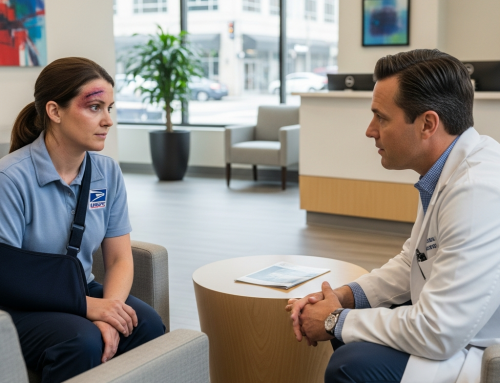
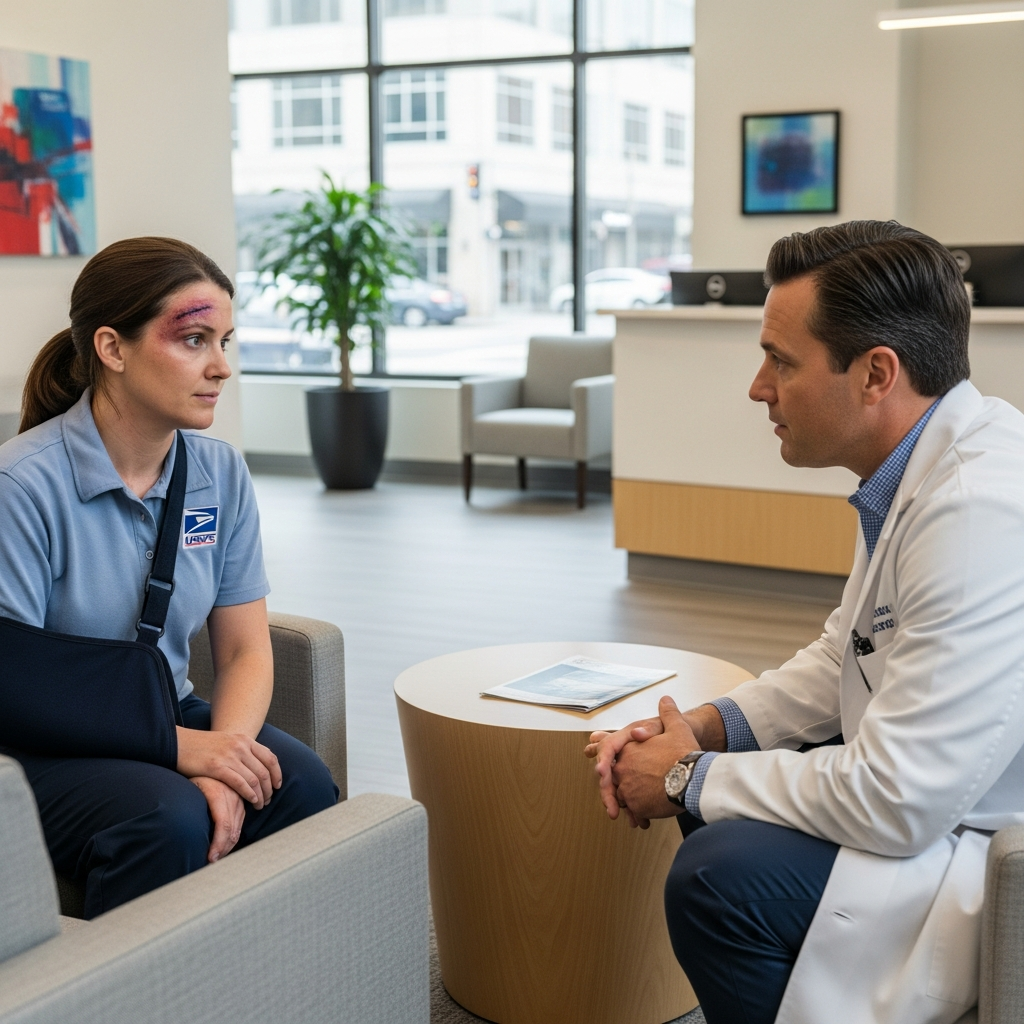
You’re sitting in another sterile waiting room, fluorescent lights buzzing overhead, watching the minutes tick by on your phone. The receptionist called your name twenty minutes ago, but here you are… still waiting. Your back’s been screaming for three weeks now – ever since that incident at work when you lifted that box the wrong way. You know, the one where you felt that little *pop* and thought “oh, that’s not good.”
The urgent care doc was nice enough, sure. Gave you some pain meds, told you to ice it, maybe see your regular doctor if it doesn’t get better. But here’s the thing – this isn’t just any injury. This happened at work, and now you’re dealing with workers’ compensation, and honestly? You’re starting to feel like you’re speaking different languages with everyone involved.
Sound familiar?
Here’s what nobody tells you when you get hurt on the job: not all medical care is created equal. And when you’re dealing with a work injury, that difference isn’t just important – it can literally make or break your recovery and your financial future.
I’ve been working with injured workers for years now, and I can’t tell you how many times I’ve seen this exact scenario play out. Someone gets hurt, rushes to urgent care (because that’s what we do, right?), gets patched up, and then… well, then the real problems start. The insurance company wants different paperwork. The employer needs specific documentation. The urgent care doctor – bless their heart – has no idea what any of this workers’ comp stuff means.
Meanwhile, you’re caught in the middle, pain levels fluctuating, trying to navigate a system that feels designed to confuse you.
But here’s where it gets interesting – and this is something most people don’t know – there are medical clinics that specialize specifically in workers’ compensation cases. We call them OWCP pain clinics (that’s Office of Workers’ Compensation Programs, in case you were wondering). And the difference between walking into one of these specialized clinics versus your typical urgent care? It’s like the difference between speaking to someone who’s fluent in your language versus someone who’s frantically flipping through a translation app.
Think about it this way: if your car breaks down, you could probably take it to any mechanic. They might be able to help. But if you’ve got a vintage Porsche with a very specific problem, wouldn’t you rather take it to someone who works on Porsches all day, every day? Someone who knows exactly which forms your insurance company needs, who understands the quirks of your particular situation, who’s seen your exact problem a hundred times before?
That’s essentially what we’re talking about here.
The thing is, most people don’t even know these specialized clinics exist. They assume medical care is medical care – and in some ways, sure, a doctor is a doctor. But when it comes to work injuries, the devil really is in the details. The paperwork alone can be overwhelming… and don’t even get me started on dealing with claims adjusters who seem to speak in riddles.
I remember talking to Maria – a teacher who hurt her wrist in a slip-and-fall at school. She spent months bouncing between urgent care and her regular doctor, getting temporary fixes but never really addressing the root cause. More importantly, none of her doctors understood how to document her case properly for workers’ comp. By the time she found her way to an OWCP clinic, she was frustrated, still in pain, and honestly pretty fed up with the whole system.
The difference in her experience was night and day.
So what exactly makes these specialized clinics different? How do they approach your care differently than urgent care? And perhaps most importantly – how do you know if you should be seeking one out for your work injury?
That’s exactly what we’re going to unpack. We’ll walk through the key differences you need to know about, help you understand when each type of care makes sense, and give you the tools to make the best decision for your specific situation. Because honestly? You’ve got enough to worry about when you’re hurt – navigating the healthcare system shouldn’t have to be one of them.
The Maze of Federal Workers’ Comp
You know that feeling when you’re trying to navigate government paperwork and suddenly realize you need a translator for what should be simple English? Welcome to OWCP – the Office of Workers’ Compensation Programs. It’s basically the federal government’s way of taking care of employees who get hurt on the job, but… well, it’s government, so nothing’s ever quite that straightforward.
Think of OWCP like a specialized insurance company that only covers federal workers. When a postal worker throws out their back lifting packages, or a park ranger injures their knee on a trail, or an office worker develops carpal tunnel from years of typing – that’s OWCP territory. The thing is, this isn’t your regular health insurance. It’s workers’ compensation, which means it follows completely different rules, has different priorities, and frankly, speaks a different language than the healthcare system most of us know.
Why Everything Feels More Complicated
Here’s where it gets interesting (and by interesting, I mean potentially headache-inducing). Regular healthcare is like shopping at a regular grocery store – you walk in, grab what you need, pay, and leave. OWCP healthcare is more like… shopping at Costco with someone else’s membership card, where you need pre-approval for everything, some aisles are off-limits, and you’re not entirely sure who’s paying the bill until later.
The documentation requirements alone could make your head spin. Every visit needs forms. Every treatment needs justification. Every medication needs approval. It’s not that anyone’s trying to make your life difficult – okay, sometimes it feels that way – but workers’ comp has to prove everything is work-related and medically necessary. They’re essentially playing detective with your healthcare.
The Provider Network Puzzle
Now, here’s something that trips up a lot of people… Most doctors don’t actually take OWCP cases. I know, I know – it seems crazy that a doctor would turn away a patient with guaranteed payment, right? But OWCP reimbursement rates are often lower than private insurance, the paperwork requirements are intense, and honestly? Many providers just don’t want to deal with the complexity.
It’s like this: imagine you’re a restaurant owner, and someone offers to pay for meals, but they want to approve every ingredient beforehand, require detailed receipts for everything, and might take months to actually pay you. Some restaurants would say “sure, no problem!” Others would politely decline and focus on customers who pay immediately and don’t require a thesis paper for every order.
What “Work-Related” Actually Means
This is where things get really interesting – and sometimes frustrating. OWCP doesn’t just cover obvious workplace injuries like falls or cuts. It also covers conditions that develop over time because of your job. Repetitive stress injuries, hearing loss from loud work environments, even some mental health conditions related to workplace stress or trauma.
But – and this is a big but – everything has to be connected back to your federal employment. It’s not enough to have back pain; you need to show that your specific job duties caused or aggravated that back pain. Think of it like a legal case where you’re constantly having to prove your story with evidence, medical records, and sometimes even expert testimony.
The Time Factor Nobody Talks About
Here’s something they don’t tell you upfront: OWCP cases move at government speed. Which is to say… not quickly. Getting initial claim approval can take weeks or months. Getting authorization for specific treatments? More waiting. Appeals? Don’t even get me started.
This creates a weird situation where you might be in pain now, but the system is designed around careful deliberation and multiple layers of review. It’s thorough – which is good for preventing fraud and ensuring appropriate care. But when you’re hurting and need help today, “thorough” can feel like a four-letter word.
The Approval Dance
Every treatment recommendation has to go through what I like to call “the approval dance.” Your doctor suggests physical therapy – OWCP reviews it. You need an MRI – another review. Specialized treatment? You guessed it, more reviews.
Sometimes approvals come through quickly. Sometimes they don’t. Sometimes they come with conditions or require additional documentation. It’s not personal – it’s just how the system works – but it definitely requires a different kind of patience than most healthcare experiences.
The thing is, once you understand these fundamentals, the whole system starts making more sense. Not necessarily more sense in a “this is convenient” way, but more sense in a “okay, I see why they do things this way” kind of way.
Making Your First Appointment Count
Here’s something most people don’t realize – you actually have more control over your OWCP pain clinic experience than you think. Before you even step foot in that office, call ahead and ask about their documentation requirements. I mean it. Don’t just show up hoping for the best.
Ask specifically: “What OWCP forms do I need to bring, and do you have copies if I’m missing something?” Some clinics keep CA-1 and CA-2 forms on hand, others don’t. You’ll also want your claim number ready – not buried in some email from six months ago, but written down where you can actually find it.
And here’s a pro tip… request your first appointment for early in the day. OWCP specialists often run behind schedule (they’re thorough, which is good for you but rough on timing), so that 2 PM slot might turn into 3:30.
What to Bring Beyond the Obvious Paperwork
Sure, bring your ID and insurance cards. But here’s what separates the prepared patients from everyone else – bring a detailed pain journal covering at least two weeks before your visit. Not just “back hurt today” entries, but specific details like
– Pain levels at different times of day – What activities make it worse or better – How it affects your sleep, work tasks, mood – Any medications you’ve tried and their effects
This isn’t busy work. OWCP doctors need this information to build a strong case for your treatment approval. They’re essentially writing a medical argument for why you need specific care, and your detailed observations become their ammunition.
Also – and this might sound paranoid – bring copies of everything. Your work incident report, previous medical records, prescription lists… everything. I’ve seen too many cases stall because someone assumed the clinic would have their records from another provider.
Navigate the Treatment Authorization Process Like a Pro
Here’s where things get tricky, and honestly, where a lot of people get frustrated. OWCP pain clinics can’t just start treatment willy-nilly – they need prior authorization for most procedures. But you can speed this up considerably.
First, understand that your doctor is on your team here. They want to get you approved for treatment because that’s literally how they get paid. So when they mention submitting a treatment plan to OWCP, ask these specific questions
– How long does approval typically take for this type of treatment? – What happens if it gets denied initially? – Do they handle the appeals process, or is that on you? – Can they expedite anything due to your work restrictions?
Most clinics have staff who specialize in OWCP authorizations – they’re usually not the front desk people. Ask to speak with the “OWCP coordinator” or “workers’ comp specialist.” These folks know the system inside and out.
Maximize Your Follow-Up Care
This is where people often drop the ball. Your initial treatment is just the beginning – the real progress happens in follow-up care. But here’s the thing… OWCP has specific requirements for ongoing treatment documentation.
Every visit needs to show measurable progress or explain why you’re not improving. So come prepared with updates: “Last week I couldn’t lift more than 5 pounds, now I can manage 10 pounds but still have shooting pain.” Be specific about functional improvements, not just how you feel.
And don’t skip appointments. I know it’s tempting when you’re feeling better, but OWCP can interpret missed appointments as “patient is recovered” and cut off your benefits. If you absolutely must reschedule, call at least 24 hours ahead and document the reason.
When Things Don’t Go as Planned
Let’s be real – sometimes OWCP denies treatment requests or your claim hits roadblocks. Don’t panic, but do act quickly. Most decisions can be appealed, but there are strict time limits.
If you get a denial letter, read it carefully. Often, it’s not a permanent “no” – it’s a “we need more information.” Your pain clinic should help with this, but double-check that they’re actually submitting additional documentation.
Consider connecting with other OWCP patients online (there are some surprisingly active forums). You’ll learn things like which local doctors have better OWCP approval rates, or how long different types of treatments typically take to get authorized in your area.
The system isn’t perfect – actually, it can be pretty frustrating – but knowing how to work within it makes all the difference in getting the care you need.
The Paperwork Maze (And Why It Feels Like You Need a PhD to Navigate It)
Let’s be real – the paperwork alone can make you want to crawl back into bed. You’re dealing with pain, trying to work, and suddenly you’re drowning in forms that might as well be written in ancient Greek. OWCP claims require specific documentation that urgent care centers often… well, they just don’t know what they don’t know.
The solution isn’t to become a paperwork expert yourself (though you’ll probably learn more than you ever wanted to). Instead, find a pain clinic that actually understands the OWCP system. They should have dedicated staff who can walk you through each form, explain what that cryptic medical code means, and – here’s the key – submit everything correctly the first time. Because nothing’s worse than getting your hopes up only to have your claim bounced back for a missing signature on page 47.
When Your Regular Doctor Says “I Don’t Do Workers’ Comp”
This one stings. You’ve got a relationship with your family doctor, you trust them, and then… they politely decline to handle your work injury. It’s not personal – many providers simply don’t want to deal with the complexity of workers’ compensation cases. The approval processes, the extra documentation, the phone calls with claims adjusters… it’s a lot.
But here’s what I’ve learned: you actually want a specialist who lives and breathes this stuff. A pain clinic that specializes in OWCP cases isn’t just familiar with the paperwork – they understand the specific types of injuries federal workers face, the treatment protocols that actually get approved, and how to document your progress in ways that make sense to claims reviewers.
The Authorization Limbo Dance
You know that feeling when you’re stuck in bureaucratic purgatory? That’s what waiting for treatment authorization can feel like. Unlike urgent care, where you can usually get seen and treated the same day, OWCP treatments often require pre-approval. This can mean waiting weeks (or longer) while you’re still in pain.
The trick is working with a clinic that’s proactive about authorizations. They should start the approval process immediately, not after your appointment. Some experienced clinics even have relationships with OWCP reviewers and know exactly how to present your case for faster approval. They might also offer bridge treatments – things that can help manage your pain while you’re waiting for the bigger interventions to get approved.
When “Standard” Treatment Doesn’t Cut It
Here’s something that trips up a lot of people: OWCP doesn’t always cover the same treatments your regular insurance would. That cutting-edge therapy your friend swears by? Might not be on the approved list. That specialist everyone raves about? They might not accept workers’ comp cases.
This is where an OWCP-focused pain clinic really shines. They know which treatments are likely to get approved, which ones are worth fighting for, and which ones are just going to waste everyone’s time. They can also help you understand when it might be worth appealing a denial – because sometimes the answer really is “not yet” rather than “never.”
The Communication Breakdown Between Everyone Involved
Your injury involves your employer, the claims adjuster, your treating physician, sometimes your supervisor, maybe a case manager… it’s like a game of telephone where everyone’s speaking slightly different languages. Information gets lost, requests get buried, and you’re sitting there wondering why nobody called you back.
A good OWCP pain clinic acts as your advocate and translator. They maintain direct communication with all the key players and can often resolve issues faster than you could on your own. When your claim adjuster wants clarification on your treatment plan, the clinic handles it. When your employer needs updated work restrictions, they’ve got it covered.
The Return-to-Work Pressure Cooker
Eventually, everyone’s going to start asking when you’ll be back to full duty. Your employer wants to know, OWCP wants to know, and honestly? You probably want to know too. But rushing back too soon can set you up for re-injury or chronic problems down the road.
An experienced pain clinic helps you navigate this pressure by providing realistic timelines, appropriate work restrictions, and a gradual return-to-duty plan that protects your long-term health. They understand the difference between “good enough to work” and “actually healed” – and they’ll advocate for the latter, even when it takes longer than everyone would prefer.
The bottom line? These challenges are real, they’re frustrating, and pretending they don’t exist doesn’t help anyone. But they’re also completely manageable when you have the right team in your corner.
Setting Realistic Expectations for Your First Visit
Look, I’m going to be straight with you – your first appointment at an OWCP pain clinic isn’t going to be a quick fix. You’re probably not walking out pain-free, and honestly? That’s completely normal.
Your initial visit will likely run 60-90 minutes (compared to that 15-minute urgent care dash), and most of that time is spent… talking. Your doctor needs to understand your work injury story, your pain patterns, what you’ve tried before. Think of it like building a house – you can’t skip the foundation work, even though it’s not the exciting part.
You’ll fill out paperwork. Lots of it. Pain scales, function questionnaires, work history forms. It feels tedious, but this documentation is actually protecting your benefits and helping your doctor understand the full picture. The urgent care clinic asked “where does it hurt?” The pain clinic wants to know how it hurts, when it started, what makes it worse, how it’s affecting your sleep, your mood, your ability to do basic tasks…
The Reality of Pain Management Timelines
Here’s what nobody tells you: effective pain management often takes months, not weeks. I know that’s frustrating when you’re dealing with constant discomfort, but your body didn’t get injured overnight, and it won’t heal that way either.
Most OWCP pain clinics follow a stepped approach. You might start with conservative treatments – physical therapy referrals, medication adjustments, maybe some injection options if appropriate. If those don’t provide adequate relief after 6-8 weeks, then you’ll explore other options.
This isn’t because they’re being slow or difficult. It’s because insurance (including workers’ comp) requires documentation that less invasive treatments were tried first. Actually, that reminds me – this is another key difference from urgent care. Every treatment decision needs to be justified and documented for OWCP approval.
What Happens Between Appointments
Unlike urgent care where you might not see the same provider twice, pain clinics track your progress closely. You’ll typically have follow-up appointments every 2-4 weeks initially, then monthly once your treatment plan is established.
Between visits, you might be asked to keep pain diaries, track medication effectiveness, or monitor activity levels. I know it sounds like homework, but this data becomes crucial when your doctor is advocating for additional treatments or adjusting your plan.
Don’t be surprised if your doctor wants you to try physical therapy before considering injections, or if they adjust medications gradually rather than making dramatic changes. This methodical approach might feel slow, but it’s designed to find sustainable solutions rather than quick fixes that don’t last.
Navigating the OWCP System
This is where having a specialized pain clinic really pays off – they understand the bureaucracy you’re dealing with. When your doctor recommends a treatment, they know exactly how to document it for OWCP approval. They speak the insurance language fluently.
You’ll still need to stay on top of your claim status, attend required appointments, and follow through with recommended treatments. But your pain clinic can help advocate for you when treatments are denied or when you need authorization for specialty procedures.
Keep copies of everything – appointment summaries, treatment plans, correspondence with your claims examiner. Your pain clinic will maintain detailed records too, but having your own copies helps if questions arise later.
Building a Long-Term Relationship
Perhaps the biggest difference from urgent care is that you’re building an ongoing relationship with your pain management team. They get to know your case intimately, understand what works and what doesn’t for your specific situation.
Over time, this familiarity becomes invaluable. Your doctor recognizes when your pain patterns change, when stress is affecting your symptoms, or when it might be time to explore different treatment approaches. It’s the difference between being a case number and being a person.
Some weeks will be better than others – that’s just the nature of chronic pain management. Your pain clinic team expects these ups and downs and won’t be surprised when you have setbacks. They’re in it for the long haul with you.
The goal isn’t necessarily to eliminate all pain (though that would be nice), but to help you manage it effectively so you can function better day-to-day. Sometimes that means accepting that “better” might be your new normal – and that’s okay too.
You know what’s interesting? After working with thousands of federal employees dealing with workplace injuries, I’ve noticed something pretty consistent – most people don’t realize just how specialized their needs really are. They’ll pop into urgent care thinking it’s all the same… and then wonder why they’re not getting better.
Here’s the thing – your OWCP case isn’t just another medical chart. It’s your livelihood, your ability to support your family, your peace of mind about the future. That matters. A lot.
When you’re dealing with the maze of federal workers’ compensation, you need someone who speaks that language fluently. Someone who knows that CM-1500 form like the back of their hand, who won’t bat an eye at schedule loss awards or vocational rehabilitation requirements. You need a team that gets it – really gets it – when you explain how that repetitive stress injury is affecting your ability to do your job.
The truth is, urgent care centers do amazing work. They’re lifesavers for acute situations, infections, minor injuries… but they’re generalists. And sometimes – actually, most times when it comes to workplace injuries – you need a specialist.
Think of it this way: you wouldn’t ask your family doctor to perform heart surgery, right? Same principle applies here. OWCP cases have their own rhythm, their own requirements, their own timeline. They require providers who understand not just the medical side, but the administrative side too. Providers who know that getting you better isn’t just about healing – it’s about documentation, timely reports, and working within a very specific system.
I’ve seen too many good people get stuck in limbo because they didn’t know there was a better option. They’d bounce between providers, deal with claim delays, struggle with inadequate documentation… all while their injury wasn’t getting the focused attention it deserved.
But here’s what gives me hope – once people find the right OWCP pain clinic, everything changes. Suddenly, they have advocates who understand their situation completely. They’re not explaining their case history for the fifteenth time to someone who’s never dealt with federal compensation before. They’re working with people who’ve been there, done that, and know exactly how to navigate the system efficiently.
Your injury matters. Your recovery matters. And honestly? You deserve better than settling for care that’s “good enough.” You deserve providers who see your OWCP case not as a hassle, but as what it really is – a chance to help a dedicated federal employee get back to feeling their best.
If you’re tired of feeling like you’re getting lost in the shuffle, or if you’re just starting this process and want to do it right from the beginning… maybe it’s time to consider what specialized OWCP care could mean for your recovery.
We’re here when you’re ready to talk. No pressure, no sales pitch – just real answers about your options and what we might be able to do together. Because honestly? You’ve already been through enough. Let’s make the path forward as smooth as possible.
Give us a call. We’d love to chat about what’s been going on and how we might be able to help.